
While change is challenging, the benefits of systematic reform and investment in our future to build Australia’s comparative advantage will mean higher living standards, increased equity and greater sustainability.
This interdisciplinary report explores how to build and secure Australia’s future through comparative advantage. For the report this means creating and taking advantage of Australia’s strengths, and ensuring flexibility and resilience in the pursuit of this ambition. The report provides a national roadmap for decisions about the future and the conditions that can underpin achieving Australia’s best.
Our research shows strategic reforms could ensure Australia’s strengths are aligned to the new century’s imperatives to keep serving the national interest
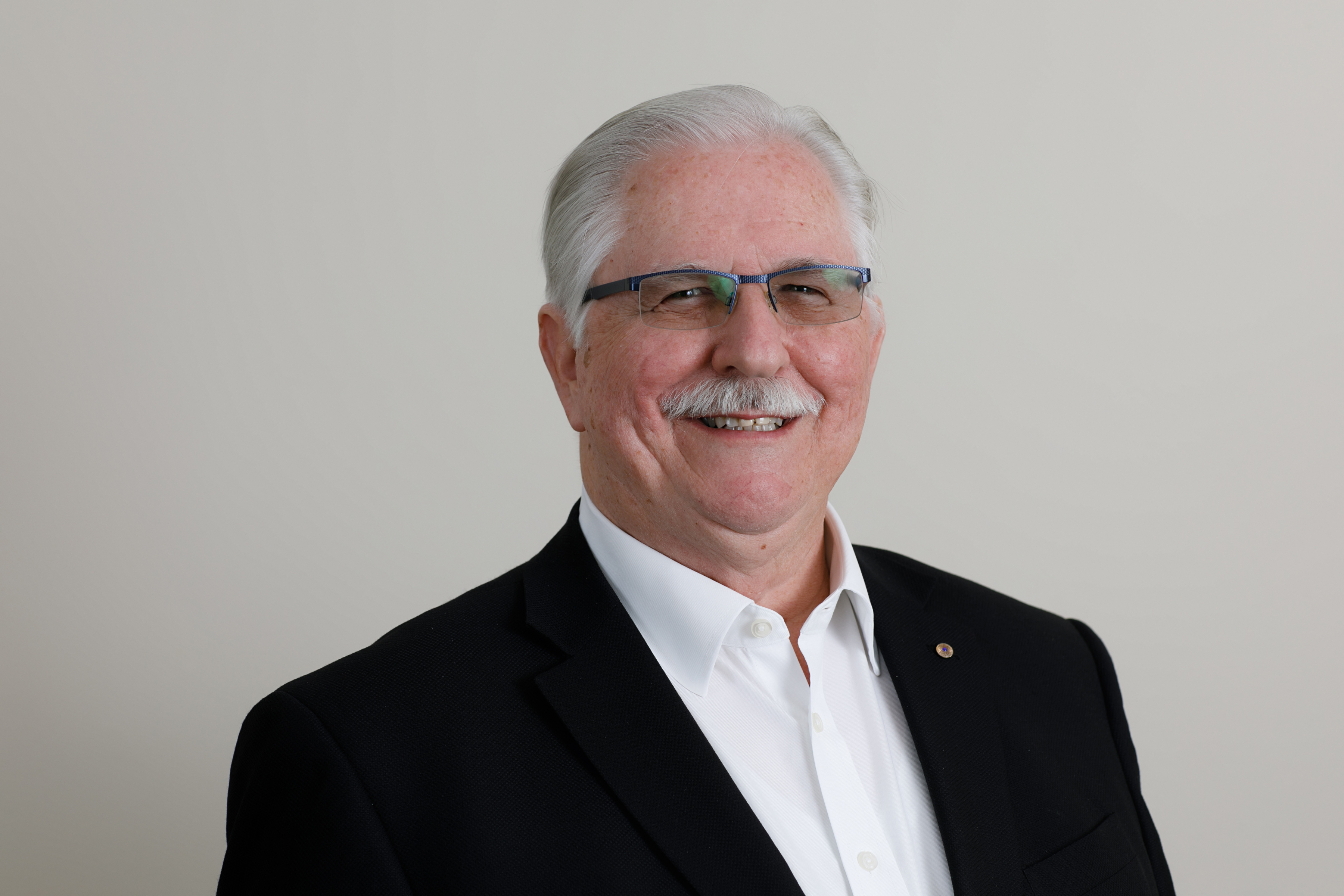
Professor Glenn Withers / ACOLA
Media release
ACOLA, for its established ability to deliver interdisciplinary evidence-based research that draws on specialist expertise from Australia’s Learned Academies, convenes the SAF01 Expert Working Group (EWG) to guide the development of a targeted study that draws input from several disciplines to create a well-considered, balanced and peer-reviewed report.
The role of the EWG is to provide strategic oversight and provide expert input, analysis and provocative thinking.

Professor Chris Gibson
FASSA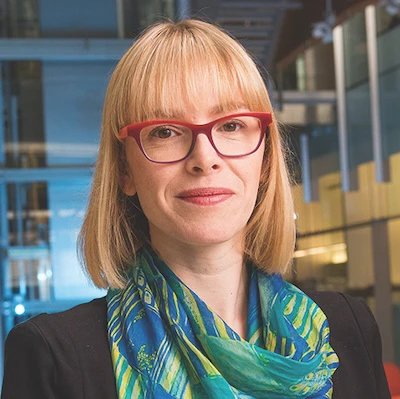
Professor Sally Gras
FTSE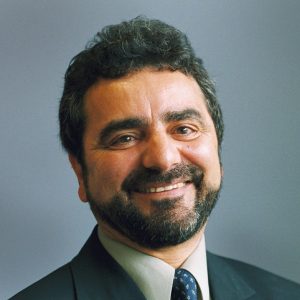
Professor Joseph Lo Bianco
AM FAHA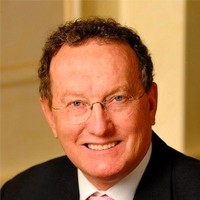
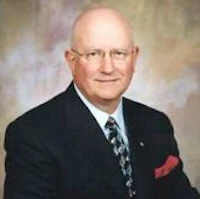
Dr John Prescott
FTSE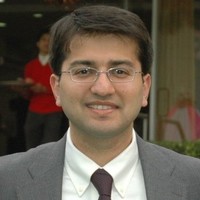
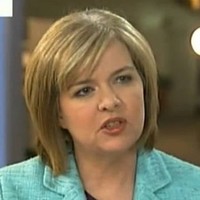

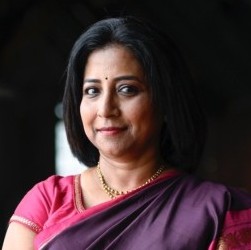
This report has been reviewed by an independent panel of experts. Members of this review panel were not asked to endorse the Report’s conclusions and findings. The Review Panel members acted in a personal, not organisational, capacity and were asked to declare any conflicts of interest.
ACOLA gratefully acknowledges their contribution.
ACOLA gratefully acknowledges the contribution of the Australian Government through the Commonwealth Science Council; Australian Research Council and the Office of the Chief Scientist. This research was funded by the Australian Government through the Australian Research Council.

The Expert Working Group is grateful to the experts who contributed to this project through participating in workshops and meetings. The names of those who contributed to formal workshops and Ideas Jam Challenge are listed under Evidence Gathering. Further expert contributions were made through commissioned analysis. The resultant reports are also listed in the report under Evidence Gathering.
The Expert Working Group also thanks the project staff who supported the project – Dr Nitin Gupta, Ms Sunita Kumar, Dr Amani Elnasri and Mr Henry Wofford and colleagues in the ACOLA secretariat and the Office of the Chief Scientist.
The Expert Working Group also appreciated the contributions provided by Ms Lyndal Curtis and Ms Natalie Larkins with report drafting.
Components of the report were kindly reviewed by Professor Peter Drahos and Dr Hazel Moir and valuable advice was received from Professor Peter Whiteford, Professor Peter Warr, Dr Paul Burke, Professor Andrew Podger, The Hon. Professor Stephen Mering, Mr Terry Moran, Ms Sarah Jane Derby, Mr Nathan Taylor and Mr Andrew McCredie.
In the conduct of industry and government surveys, the auspice and co-operation from the Committee for Economic Development of Australia (CEDA) and the Institute of Public Administration (IPAA) was much appreciated.
The Expert Working Group also expresses its thanks for the contribution of the Project Steering Committee, ACOLA Council plus the four anonymous referees for comments and guidance on the project, as well as members of the Expert Working Group of other Securing Australia’s Future projects.